
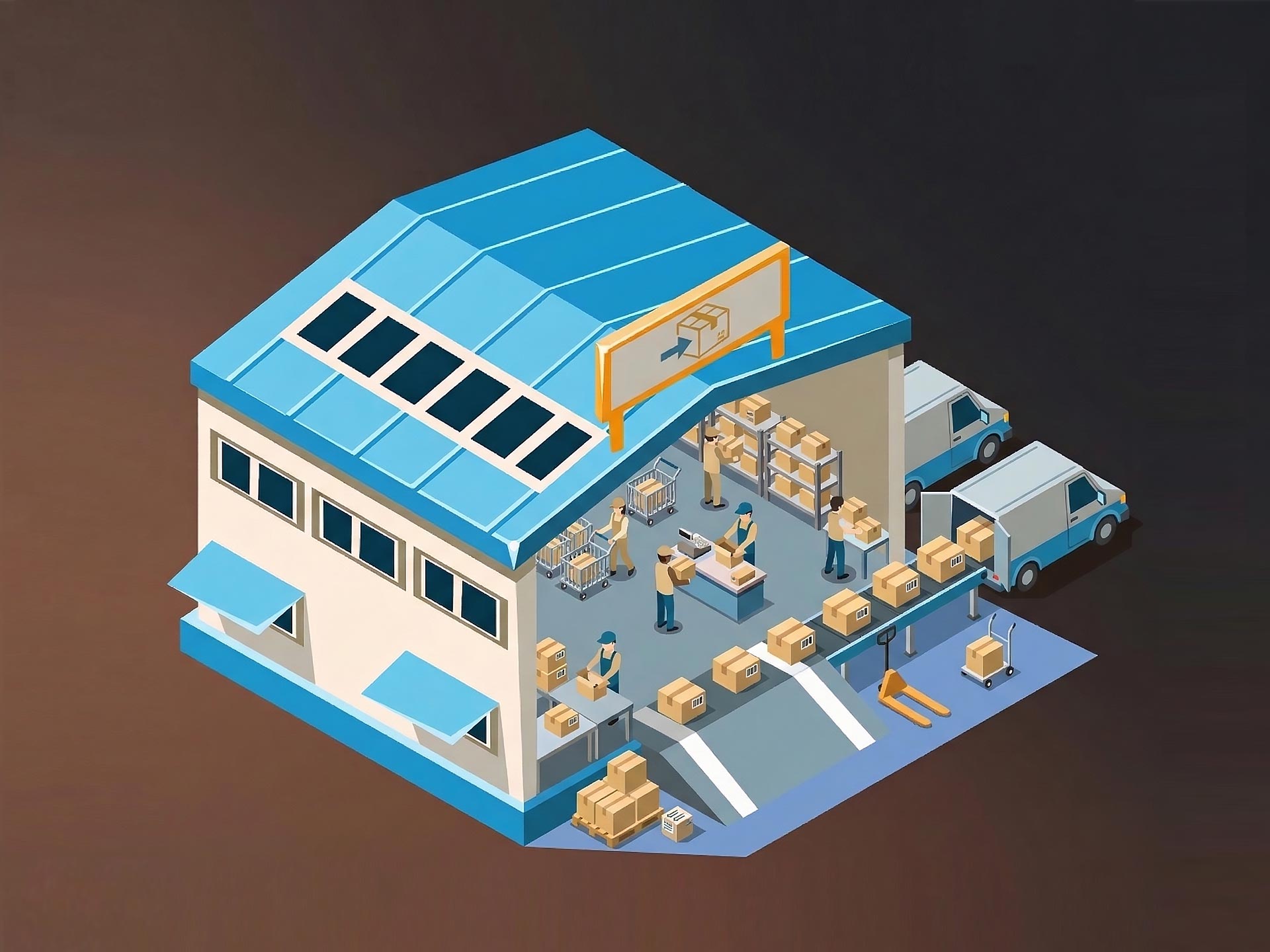


Can Webflow actually handle ecommerce fulfillment?
The answer is yes, especially when paired with the right fulfillment tools. Webflow provides the core ecommerce infrastructure to manage orders and products, and with integrations like Amazon Multi-Channel Fulfillment (MCF), businesses can automate shipping and scale their logistics operations.
Let’s look at how fulfillment works with Webflow and how many growing stores approach it.
What Ecommerce Fulfillment Actually Means
Ecommerce fulfillment refers to everything that happens after a customer places an order.
This typically includes:
- Receiving and processing orders
- Managing inventory
- Picking and packing products
- Shipping orders to customers
- Providing tracking updates
- Handling returns if needed
For ecommerce businesses, the goal is to make this process fast, reliable, and automated as order volume grows.
How Webflow Handles Ecommerce Orders
Webflow includes several built-in ecommerce tools that allow merchants to run and manage an online store.
Order Management
When a customer places an order, Webflow records it in the Orders dashboard. From there you can:
- View order details
- See customer information
- track payment status
- update fulfillment status
This provides a clear overview of all incoming orders.
Shipping Settings
Webflow allows store owners to configure shipping rules directly within the platform.
You can create:
- Flat-rate shipping
- Location-based shipping zones
- Different delivery options for customers
These rules ensure that shipping costs are calculated correctly during checkout.
Inventory Tracking
Webflow also supports basic inventory management for ecommerce stores.
Merchants can:
- Track product stock levels
- update inventory counts
- automatically mark items as out of stock
For many stores, these tools provide everything needed to manage day-to-day ecommerce operations.
Where Fulfillment Automation Comes In
As ecommerce stores grow, manually processing orders can become time-consuming. This is where fulfillment automation becomes important.
Instead of manually exporting orders and shipping products, businesses often connect their store to a fulfillment provider that automatically:
- receives new orders
- picks and packs products
- ships orders to customers
- sends tracking information back to the store
This is a common setup across ecommerce platforms, including Webflow.
Using Amazon Multi-Channel Fulfillment with Webflow
One of the most powerful fulfillment options available to Webflow stores is Amazon Multi-Channel Fulfillment (MCF).
MCF allows businesses to store their inventory in Amazon’s fulfillment centers and ship orders placed on any sales channel, including their own website.
With the Amazon MCF app for Webflow, this process can be automated.
When connected, the app can:
- Automatically send Webflow orders to Amazon for fulfillment
- Use Amazon’s fulfillment centers to pick, pack, and ship orders
- Sync shipping updates and tracking information back to the store
- Allow businesses to use Amazon’s global logistics network without selling on the Amazon marketplace
This allows Webflow stores to access the same infrastructure that powers Amazon’s own order fulfillment.
Why This Works Well for Webflow Stores
Webflow is especially popular among design-focused and brand-driven ecommerce businesses. These brands often prioritise:
- unique website design
- content and storytelling
- fast, high-performing websites
By using Webflow as the storefront and Amazon MCF for logistics, businesses can combine:
- Webflow’s powerful website experience
- Amazon’s global fulfillment infrastructure
This setup allows stores to deliver a premium online experience while ensuring orders are shipped quickly and reliably.
A Flexible Ecommerce Stack
Many modern ecommerce businesses use a stack of specialized tools rather than relying on a single platform for everything.
A typical setup might look like:
- Webflow for the storefront and ecommerce experience
- Amazon MCF for fulfillment and shipping
- Additional tools for marketing, analytics, or customer support
This approach gives businesses flexibility while still maintaining efficient operations.
Final Thoughts
So, can Webflow handle ecommerce fulfillment?
Yes. Webflow provides the core ecommerce features needed to manage products, orders, and shipping settings. When combined with fulfillment solutions like Amazon Multi-Channel Fulfillment, businesses can automate logistics and scale their operations without managing their own warehouse.
For many ecommerce brands, this combination offers the best of both worlds: a highly customised Webflow storefront paired with Amazon’s powerful fulfillment network behind the scenes.